Uganda stands at a pivotal point in its development a moment shaped by the immense potential of its youthful population. With over 60 per cent of Africa’s population under the age of 25, the continent is uniquely positioned to turn its demographic profile into a powerful engine for economic growth and social advancement. Achieving this, however, demands intentional and sustained investment in the health and well-being of young people.
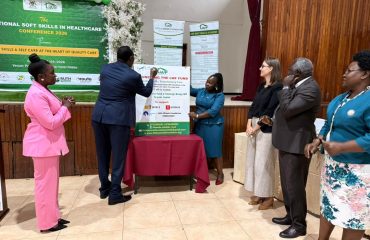
Minister Balaam Barugahara Ateenyi highlighted the importance of youth-centred development, stressing that prioritising the health and well-being of young people is a national imperative. He noted that robust cross-sector collaboration is vital to unlocking Uganda’s full potential.
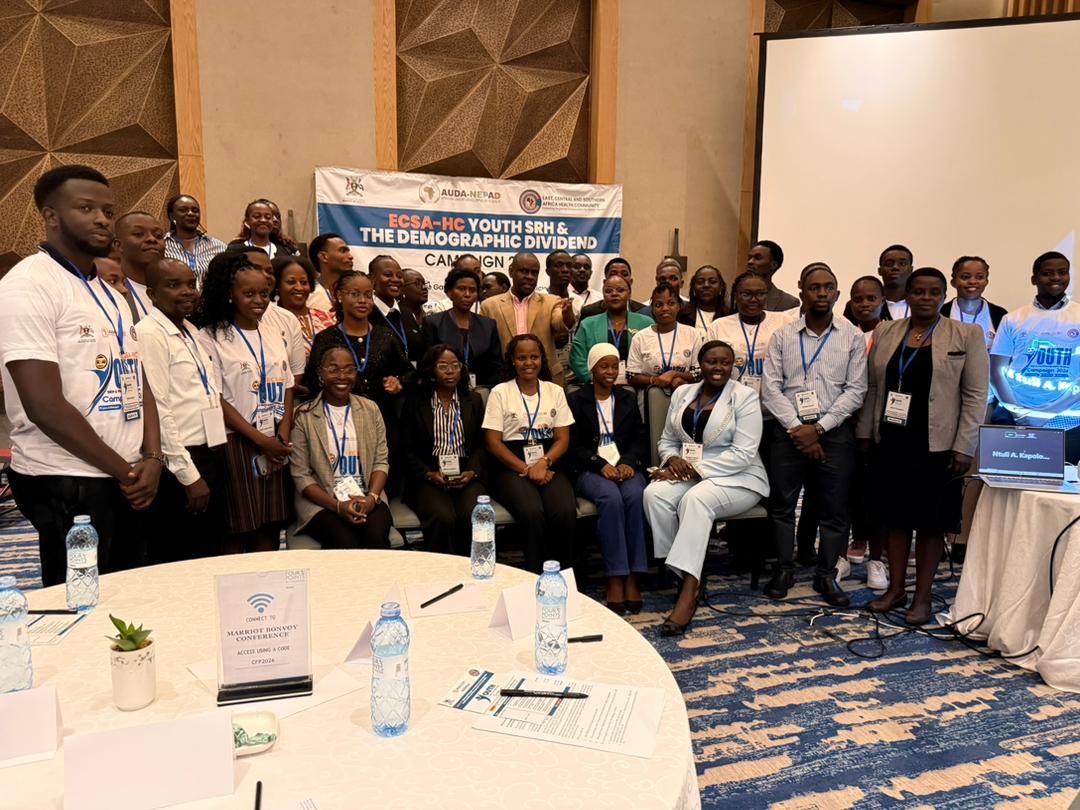
Reflecting on the recent Regional Youth Summit on the Demographic Dividend and Sexual and Reproductive Health in the Kingdom of Eswatini, the Minister noted how young leaders from across Eastern, Central, and Southern Africa convened to discuss the continent’s future. The summit underscored a central message: Africa’s advancement hinges on investing in the health, well-being, and potential of its youth.
Despite these opportunities, significant challenges persist. Many young Ugandans still face obstacles in accessing sexual and reproductive health services, including inadequate funding, limited availability of youth-friendly options especially in rural and underserved areas and ongoing stigma that deters them from seeking care. Additionally, mental health services remain insufficiently prioritised.
Beyond service access, the minister pointed to a critical gap in youth participation. Too frequently, young people are excluded from shaping policies that directly impact their lives. He emphasised reversing this trend by ensuring youth are actively engaged as partners in decision-making.
There are, however, encouraging signs of progress. Platforms uniting young people from diverse backgrounds such as law, engineering, and social sciences are beginning to influence policy and foster national dialogue. Such inclusive engagement is critical to creating solutions that meet the actual needs of youth.
The call to action is clear: Uganda must embrace a more integrated approach to investing in sexual and reproductive health. This means increasing domestic financing, strengthening accountability, and ensuring that services are accessible, inclusive, and responsive. Such investments are vital not only for individual well-being, but also for broader human capital development and national economic transformation.
The minister affirmed the government’s commitment to this agenda. Enhanced collaboration among ministries including health, gender, and science and technology marks a shift toward a more coordinated, holistic approach. Yet government efforts alone are insufficient. Strong partnerships with civil society, the private sector, and development partners are essential for achieving lasting impact.
As Uganda prepares to host an upcoming Inter-Ministerial Platform, the nation has a unique opportunity to demonstrate leadership in advancing youth-focused policies. By strengthening cross-sector coordination and making youth health and well-being a priority, Uganda can set a powerful example for the region.
At the heart of this effort lies a guiding principle: “Nothing for the youth, without the youth.” This philosophy highlights the need to empower young people not merely as beneficiaries but as active participants and leaders shaping their future.
For Uganda to fully harness its demographic dividend, young people must be placed at the centre of its development agenda. Investing in their health, elevating their voices, and creating opportunities for participation will transform individual lives and secure a more inclusive, prosperous future for the nation.
By Martin Akena | Communications Officer, GCIC