

“All effort must be made to add value to all our products. We must stop exporting raw materials and instead add value to everything we produce.”
This statement by President Yoweri Kaguta Museveni captures the essence of Uganda’s development strategy, which is focused on shifting the economy from subsistence production to market-orientated growth. One of the key vehicles driving this transformation is the Presidential Initiative on Wealth and Job Creation, commonly known as EMYOOGA. Launched in August 2019, this initiative seeks to create jobs, improve household incomes, and integrate ordinary Ugandans into the money economy.
EMYOOGA is implemented through the Microfinance Support Centre (MSC), which provides both financial and technical support to beneficiary groups. Working alongside district Emyooga taskforces chaired by resident district commissioners, MSC ensures that funds and training reach communities effectively.
The programme operates across 149 districts, structured around Savings and Credit Cooperative Organisations (SACCOs) at constituency and parish levels. Each SACCO is tailored to specific enterprise groups, promoting specialisation and efficiency.
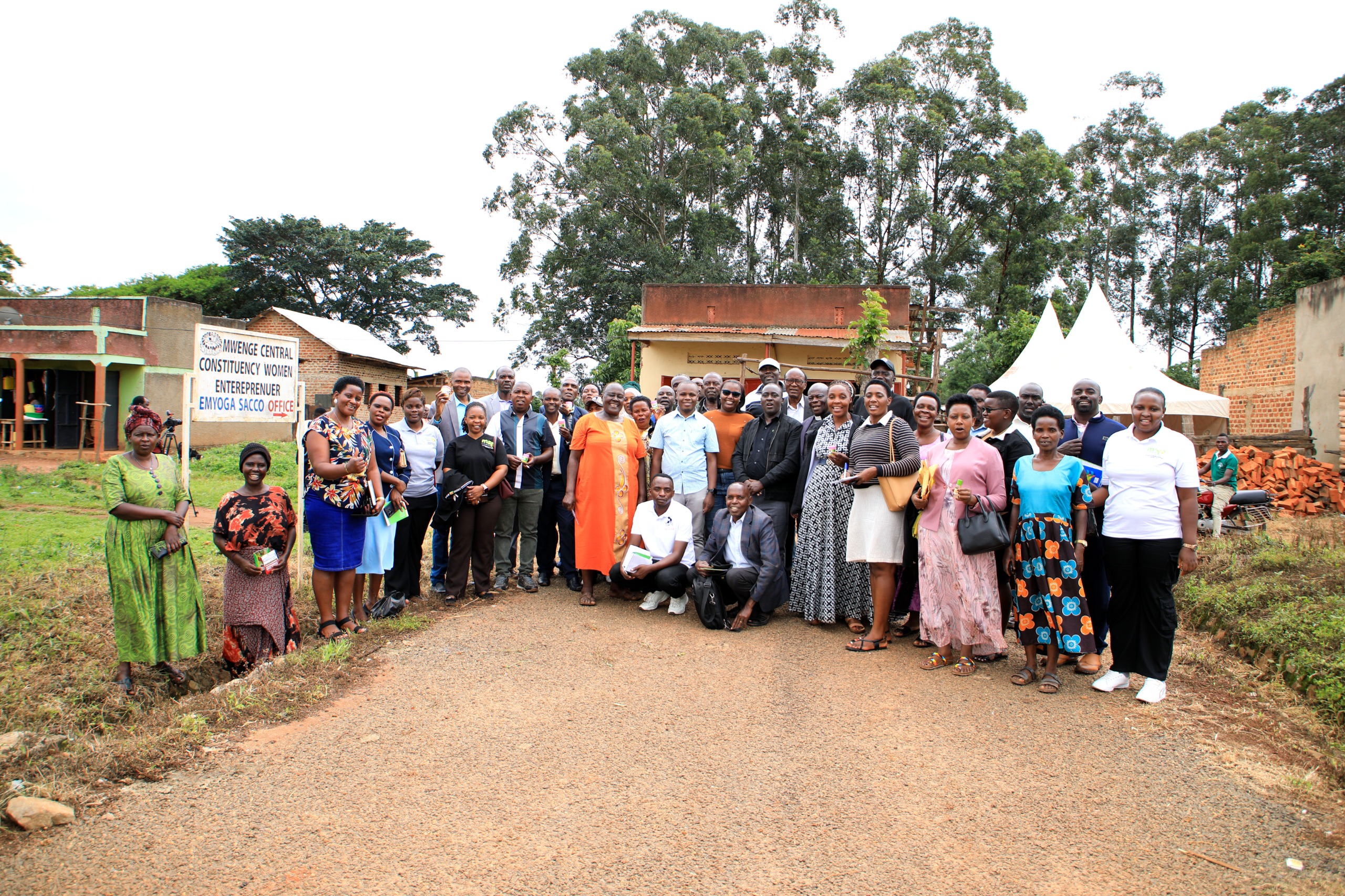
A compelling example of EMYOOGA’s impact can be seen in the Mwenge Central Women Entrepreneur SACCO, located in Kyenjojo District. Established in 2021 with 41 groups, 21 of which remain active today, the SACCO has received UGX 70 million in seed capital over time. This funding has enabled members to initiate and expand various income-generating activities.
What truly distinguishes this SACCO is its deliberate focus on value addition as a strategy for maximising returns and ensuring sustainability.
The women of Mwenge Central recognised early that simply producing raw materials would limit their earning potential. In response, they ventured into value-added enterprises such as wine production, hibiscus processing, Vaseline manufacturing, soap making, and handicrafts. Additionally, some members diversified into goat rearing and poultry farming.
These activities have not only increased incomes but have also created employment opportunities for other women in the community. Through training and hands-on involvement, members have acquired practical skills that enhance both productivity and business management.
The SACCO’s success has also been strengthened through knowledge-sharing initiatives. The MSC facilitated exchange visits between Mwenge Central and other Emyooga SACCOs from the Mbarara Zone, enabling participants to share experiences, learn new techniques, and build supportive networks. Such interactions have reinforced the importance of innovation and collaboration in sustaining small enterprises.
Financially, the SACCO has demonstrated impressive growth. With a loan portfolio of UGX 316 million, share capital of UGX 71 million, and total loan disbursements amounting to UGX 516 million, the group has established a strong financial foundation. Loan recovery of UGX 380 million further reflects a high level of financial discipline and accountability among members.
These achievements underscore the effectiveness of the SACCO model in promoting responsible borrowing and reinvestment.
Beyond financial gains, the impact of the Mwenge Central Women Entrepreneur SACCO is evident in the broader socio-economic transformation of the community. Members have experienced improved livelihoods, increased household incomes, and enhanced standards of living.
The initiative has also addressed social challenges such as unemployment and idleness, particularly among women, thereby contributing to a reduction in crime and greater community stability.
At a broader level, EMYOOGA plays a critical role in moving Uganda toward a money-based economy. By introducing participants to saving, borrowing, and investment practices, the initiative fosters financial inclusion and integrates previously excluded individuals into formal economic systems.
Participants transition from subsistence production to market-orientated activities, producing goods and services for sale and generating cash income. This shift not only improves individual welfare but also strengthens the overall economy through increased monetary circulation and market participation.
Furthermore, EMYOOGA promotes commercialisation and specialisation by organising participants into enterprise-specific groups. This approach enhances efficiency, encourages skill development, and allows members to benefit from economies of scale.
As businesses grow, they become more visible to financial institutions and regulatory authorities, contributing to the formalisation of economic activities and expanding the government’s capacity for economic planning and taxation.
The initiative also aligns closely with Uganda’s Tenfold Growth Strategy, which aims to significantly expand the country’s economic output. By empowering grassroots entrepreneurs, EMYOOGA broadens the productive base of the economy and ensures that growth is inclusive.
Small and microenterprises supported under the programme generate employment, supply goods and services, and stimulate local economies, complementing larger investments in sectors such as manufacturing and Agro-industrialisation.
In the context of Uganda’s rapidly growing and youthful population, EMYOOGA provides a practical solution to the challenge of unemployment. By enabling individuals to start and grow businesses, the initiative transforms informal workers into entrepreneurs and employers.
This not only creates jobs but also turns population growth into a driver of economic development rather than a burden.
In conclusion, the Mwenge Central Women Entrepreneur EMYOOGA SACCO exemplifies how value addition supported by access to finance and skills development can transform lives and communities. Through EMYOOGA, women have become economically empowered, financially independent, and active contributors to national development.
This initiative stands as a powerful testament to the potential of grassroots interventions in achieving sustainable socio-economic transformation in Uganda.