By Martin Akena
The Government of Uganda has renewed its commitment to strengthen the fight against sickle cell disease, calling for a united national effort to address one of the country’s biggest genetic health challenges.
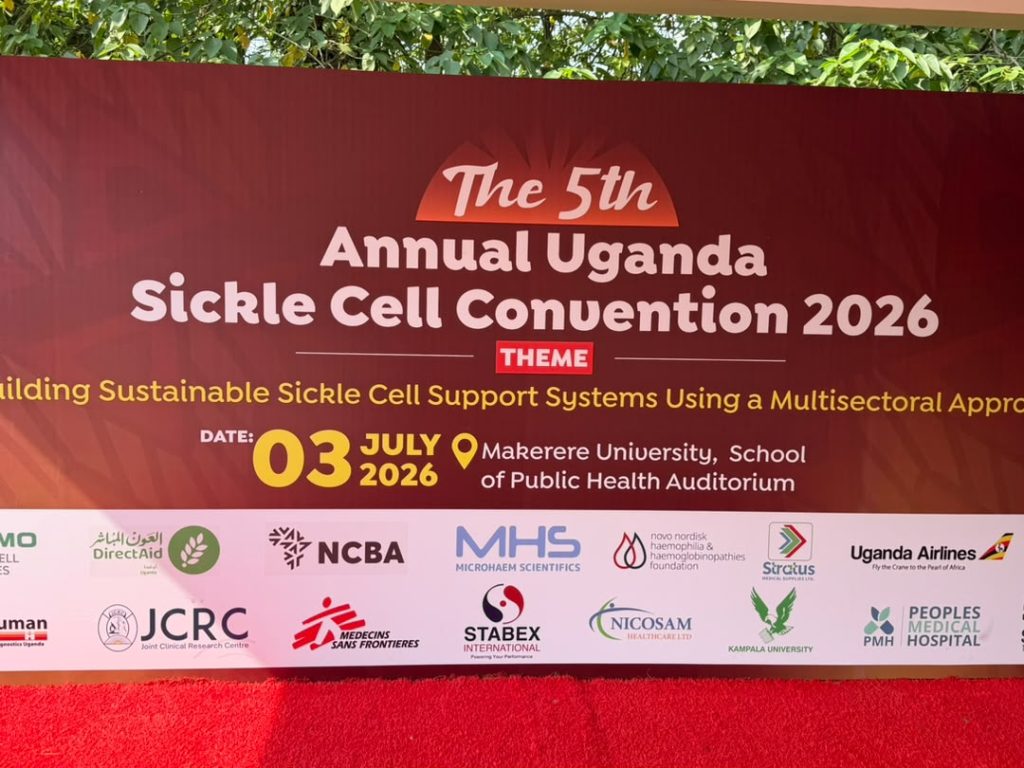
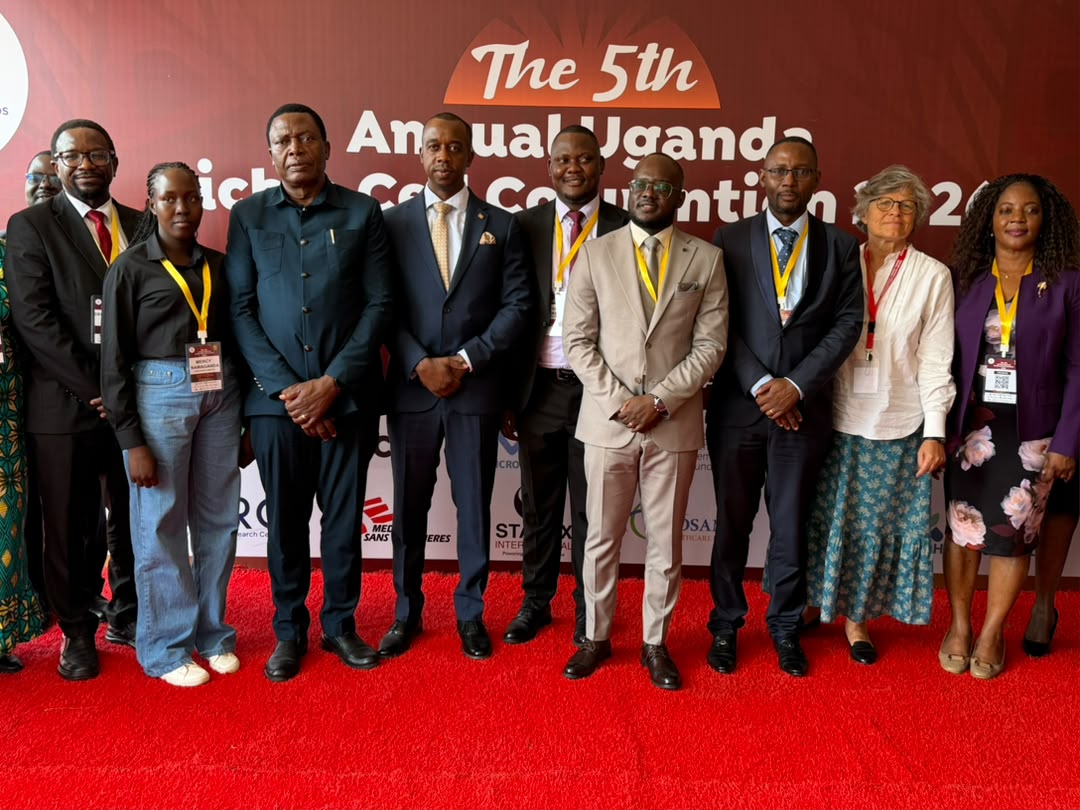
Speaking at the opening of the 5th Annual Uganda Sickle Cell Convention (AUSCC26), government officials said the fight against sickle cell disease requires more than the health sector alone, stressing the need for collaboration across all sectors.
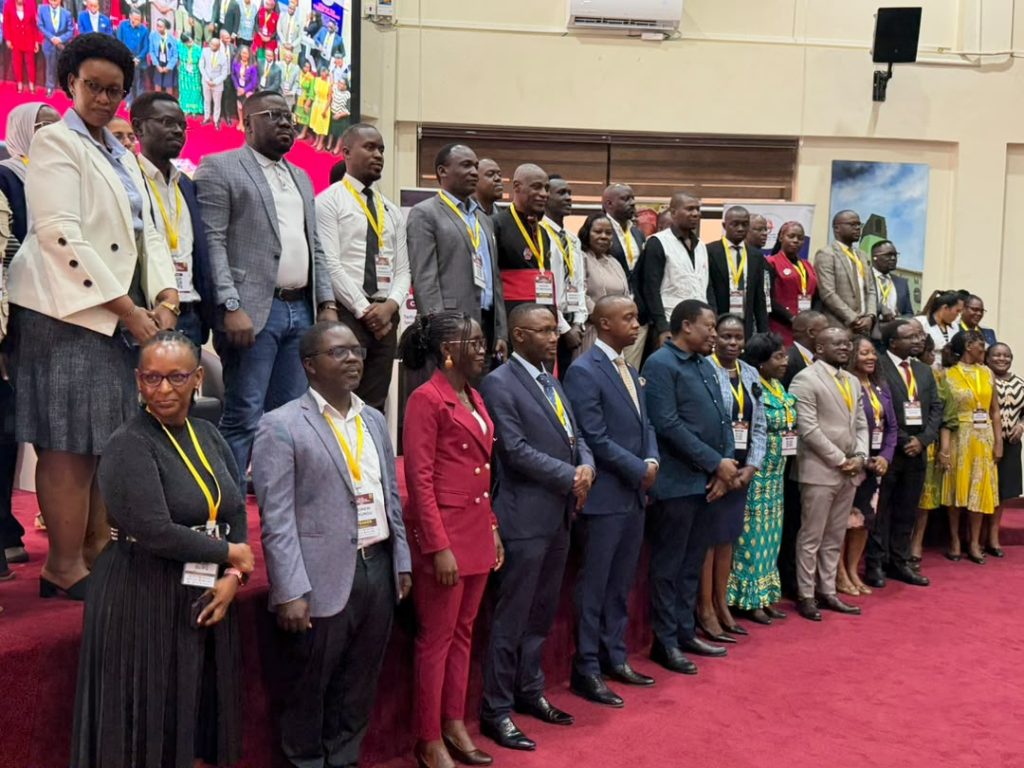
Held under the theme, “Building Sustainable Sickle Cell Support Systems in Uganda and Beyond Using a Multisectoral Approach,” the convention brought together policymakers, health workers, researchers, development partners, civil society organisations, and patient advocates from Uganda and across Africa.
Officials commended the organisers for building the convention into an important platform for sharing knowledge, scientific research, and practical solutions on sickle cell disease.
They emphasised that tackling sickle cell requires collective action involving government ministries, schools, cultural institutions, religious leaders, civil society, and the private sector.
The Ministry of Health noted that the convention has become a key platform for shaping national policy, building partnerships, and strengthening the country’s response to sickle cell.
Participants were urged to draw lessons from Uganda’s successful HIV response by building a strong “sickle cell care system” that supports testing, treatment, follow-up, and long-term care.
Uganda continues to carry a heavy sickle cell burden. Current estimates show that about 13.5 per cent of Ugandans carry the sickle cell trait, although the numbers vary across regions. Every year, between 20,000 and 25,000 babies are born with the disease.
Government officials revealed that over 500,000 babies have been tested for sickle cell in the last 10 years. However, many newborns are still not tested, prompting calls to strengthen and make newborn screening mandatory through the law.
The Ministry of Health also highlighted ongoing efforts to take sickle cell screening and treatment services closer to communities by expanding them to lower health centres, where most Ugandans seek medical care.
Officials said early testing and timely treatment can reduce repeated hospital admissions, lower medical costs for families, and ease pressure on health facilities.
Government also called for the completion of a fully funded National Sickle Cell Strategic Plan to guide implementation, mobilise resources, and track progress across the country.
Despite the progress made, officials noted that stigma and myths about sickle cell still remain a major challenge. In some communities, the disease is still wrongly linked to witchcraft, making public education and community awareness critical.
The convention also highlighted major progress Uganda has made over the past year.
Among the achievements is Parliament’s recognition of sickle cell disease as a major non-communicable disease that requires urgent public health attention.
The Ministry of Health is now reviewing the Public Health Act to formally include sickle cell in the country’s legal framework and secure a dedicated budget.
Officials also announced that the National Sickle Cell Services Roadmap, covering all 146 districts, has now been completed.
In another major step, Uganda has started local production of key sickle cell medicines and testing supplies. Quality Chemical Industries Limited is now producing Hydroxyurea, a key drug used in sickle cell treatment, while Microhaem Scientifics has started manufacturing rapid test kits locally.
This move is expected to reduce Uganda’s dependence on imported supplies and improve access to treatment.
Awareness campaigns are also being expanded to universities and tertiary institutions, encouraging young people to test for their genotype before marriage and help spread awareness.
Uganda’s leadership in the fight against sickle cell was further recognised after hosting the African Continental Platform on Sickle Cell and Rare Blood Disorders in May 2026, where the country committed to screening 80 per cent of newborns by 2028.
Cultural and religious leaders were also urged to play a bigger role in fighting stigma and promoting awareness. Officials praised the continued support of the Buganda Kingdom, especially through initiatives led by the Kabaka that have helped raise awareness and resources for sickle cell programmes.
The convention ended with a renewed call for stronger partnerships, increased investment, and evidence-based action to ensure that every child born with sickle cell gets early diagnosis, quality treatment, and lifelong support.
Organisers noted that what started as a small gathering has now grown into a continental movement, reaching over 2,500 participants from 13 countries in the past five years.
This year alone, the convention attracted about 500 delegates from Uganda and across Africa.